
Years of sun exposure can leave lasting effects on the skin, including pigmentation, fine lines, uneven texture, enlarged pores, and loss of elasticity. While daily sunscreen use helps prevent future damage, many people seek effective treatments to reverse the visible signs of photoaging.
One of the most popular skin rejuvenation treatments today is microneedling, a minimally invasive treatment that stimulates the body’s natural healing response. But can microneedling repair sun damage?
The short answer is yes, microneedling can significantly improve many signs of sun damage, particularly texture irregularities, fine lines, and collagen loss. However, depending on the severity of the damage, combining microneedling with other advanced aesthetic treatments may provide better results.
Understanding Sun Damage and Photoaging
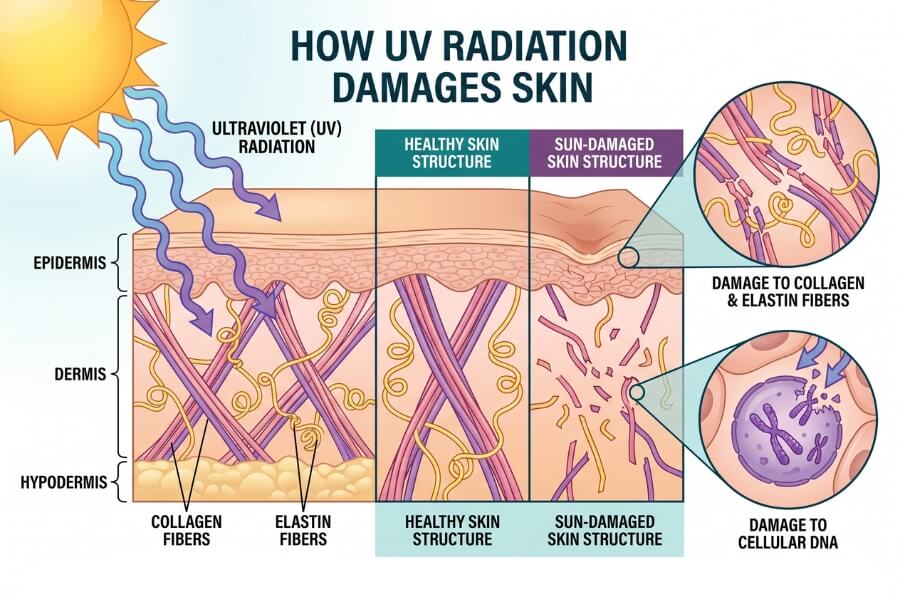
Sun damage occurs when ultraviolet (UV) radiation penetrates the skin and damages collagen, elastin fibers, and cellular DNA. Over time, this process, known as photoaging, accelerates visible aging and can lead to:
• Fine lines and wrinkles
• Hyperpigmentation
• Sun spots (age spots)
• Uneven skin tone
• Rough skin texture
• Enlarged pores
• Loss of firmness
• Dull complexion
• Broken capillaries
Unlike natural aging, photoaging is largely preventable, yet it accounts for a significant portion of visible facial aging. Because sun damage affects multiple layers of the skin, effective treatment often requires stimulating collagen remodelling while addressing pigmentation concerns.
How Microneedling Works
Microneedling, also called collagen induction therapy, uses ultra-fine sterile needles to create controlled micro-injuries in the skin.
These tiny channels trigger the body’s natural wound-healing process, resulting in:
• Increased collagen production
• Enhanced elastin formation
• Improved skin regeneration
• Better circulation
• Healthier skin texture
As new collagen develops over several weeks and months, the skin becomes firmer, smoother, and more resilient.
Can Microneedling Reverse Sun Damage?
Microneedling can improve several visible signs of sun damage, especially those related to collagen breakdown and skin texture.
Benefits of Microneedling for Sun-Damaged Skin
1. Improves Fine Lines and Wrinkles
UV exposure accelerates collagen loss, leading to premature wrinkles and crepey skin. Microneedling stimulates new collagen production, helping soften:
• Forehead lines
• Crow’s feet
• Smile lines
• Neck wrinkles
Many clients notice progressive improvement over several months following treatment.
2. Enhances Skin Texture
Sun-damaged skin often appears rough, uneven, and weathered.
Microneedling promotes cellular turnover, helping create:
• Smoother skin
• Refined texture
• Reduced pore appearance
• Improved skin quality
3. Helps Fade Mild Pigmentation
While microneedling is not primarily a pigmentation treatment, it may help reduce:
• Mild sun spots
• Post-inflammatory hyperpigmentation
• Uneven skin tone
The treatment encourages skin renewal, allowing damaged cells to gradually be replaced with healthier tissue.
4. Restores Skin Radiance
Many patients report brighter, healthier-looking skin after a series of treatments due to increased circulation and enhanced cellular activity.
What Microneedling Cannot Fully Treat
Although microneedling offers impressive rejuvenation benefits, it has limitations. Microneedling may not adequately address:
• Deep sun spots
• Significant hyperpigmentation
• Severe photodamage
• Broken capillaries
• Vascular redness
• Extensive discolouration
• Precancerous skin lesions
In these cases, alternative or combination treatments may provide more dramatic improvements.
Treatments That May Be More Effective Than Microneedling for Sun Damage
For clients seeking maximum correction of sun damage, medical spas often recommend combining microneedling with advanced technologies.
IPL Photofacial (Intense Pulsed Light)
For pigmentation caused by sun exposure, IPL photofacial treatments are often considered one of the most effective options.
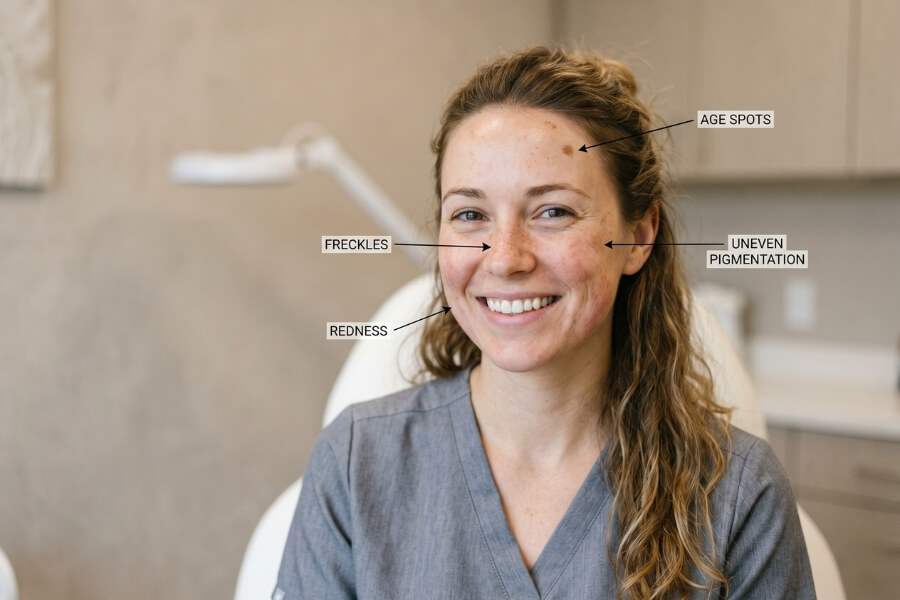
IPL targets excess melanin within the skin and can dramatically improve:
• Sun spots
• Age spots
• Freckles
• Redness
• Uneven pigmentation
Unlike microneedling, IPL directly targets pigment-producing cells, making it particularly effective for discolouration. Best For:
• Brown spots
• Sun-induced pigmentation
• Redness
• Overall skin tone correction
Fractional Laser Resurfacing
Fractional laser treatments create controlled microscopic injuries while delivering thermal energy deep into the skin. This approach can produce more dramatic results than microneedling for:
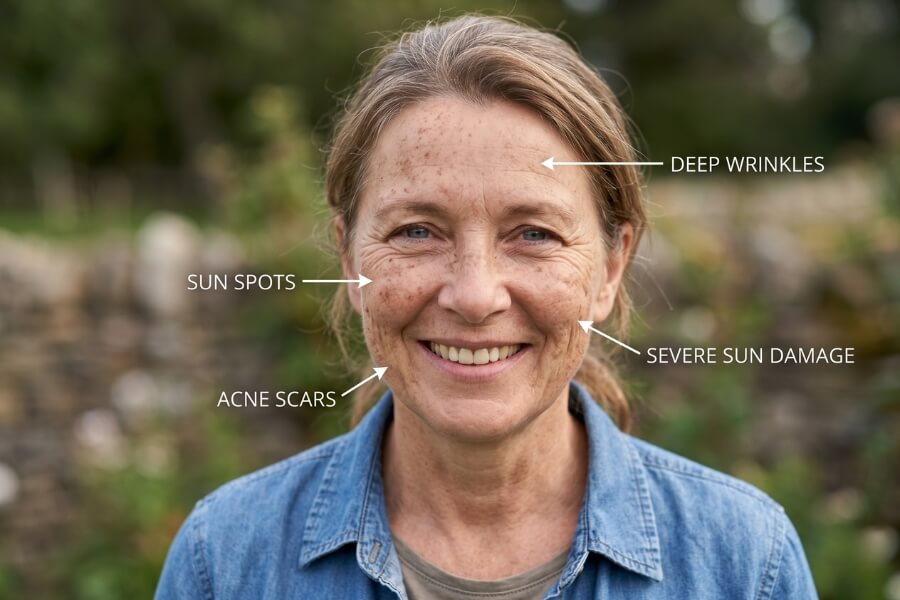
• Severe sun damage
• Deep wrinkles
• Skin laxity
• Texture concerns
• Acne scars
Because lasers stimulate substantial collagen remodeling, they are often considered the gold standard for advanced photoaging. Best For:
• Moderate to severe sun damage
• Deep wrinkles
• Advanced skin rejuvenation
RF Microneedling
Radiofrequency (RF) microneedling combines traditional microneedling with radiofrequency energy delivered into the deeper layers of the skin.
Compared to standard microneedling, RF microneedling can provide:
• Greater collagen stimulation
• Improved skin tightening
• Enhanced wrinkle reduction
• Better treatment of moderate photoaging
Many providers consider RF microneedling a significant upgrade for patients concerned about both aging and sun damage. Best For:
• Skin laxity
• Fine lines
• Texture issues
• Moderate sun damage
Chemical Peels
Medical-grade chemical peels accelerate exfoliation and cellular turnover, helping remove damaged surface skin. Depending on the peel strength, patients may see improvement in:
• Pigmentation
• Dullness
• Fine lines
• Uneven texture
Chemical peels can be especially effective when combined with microneedling in a customized treatment plan. Best For:
• Mild to moderate pigmentation
• Surface-level sun damage
• Skin brightening
Is Combination Therapy the Best Approach?
In many cases, yes. Because sun damage affects multiple skin structures, combination treatments often produce the most comprehensive results.
A customized plan may include:
• Microneedling for collagen stimulation
• IPL or BBL for pigmentation
• Chemical peels for exfoliation
• Medical-grade skincare for maintenance
This multi-modal approach addresses both the visible and underlying effects of photoaging.
Protecting Your Results After Treatment
No sun damage treatment can permanently stop future photoaging. Protecting your investment requires consistent sun protection.
Dermatology experts recommend:
• Daily broad-spectrum SPF 30+ sunscreen
• Protective hats and clothing
• Avoiding peak UV hours
• Medical-grade antioxidant skincare
• Regular skin evaluations
Prevention remains the most effective anti-aging strategy available.
The Bottom Line: Can Microneedling Repair Sun Damage?
Microneedling is an excellent treatment for improving many visible signs of sun damage, including fine lines, rough texture, enlarged pores, and collagen loss. Stimulating the body’s natural healing process, it helps restore smoother, firmer, and healthier-looking skin.
However, patients with significant pigmentation, deep photoaging, or extensive discoloration may achieve better results with treatments such as IPL photofacials, RF microneedling, fractional laser resurfacing, or Broadband Light therapy. The most effective approach is often a personalized treatment plan that combines multiple technologies to address both collagen loss and pigmentation concerns. A consultation with an experienced medical aesthetics provider can help determine the ideal strategy for restoring a brighter, more youthful complexion while maintaining long-term skin health.