
let’s talk
oily skin
T-Zone shine, greasy texture, enlarged pores, frequent breakouts, and makeup slipping.


What Is Oily Skin?
Oily skin is not a flaw, nor is it bad hygiene. Oily skin happens when your sebaceous glands produce more sebum than your skin needs. That oil shows up as shine across the forehead, nose, and chin, especially by midday, and can lead to clogged pores, blackheads, and breakouts.
Many people try to strip oil away with harsh cleansers or blotting papers, but that often makes it worse. Over-cleansing signals your skin to make more oil to compensate. At Reforme Lab, we see this cycle all the time in Toronto and Mississauga. The fix isn’t magically producing less oil, it’s smarter skin care to get your oil production to regulate.
oily skin
Common Signs & Symptoms
Shine that builds through the day
Not dewiness but actual greasiness, starting at the forehead and spreading down the nose. Most noticeable 4–6 hours after cleaning.
Pores that look larger
Oil stretches the pore lining over time, making them appear bigger, especially on the nose and cheeks.
Makeup doesn’t stay put
You may find your foundation slides off, concealer separates, or your powder is cakey. If your makeup is just not fitting or sitting on your face as it should, oil is likely the issue.
Frequent blackheads and clogged pores
Papules and pustules show up without blackheads. Unlike typical breakouts, they come with heat and tenderness, not oiliness.
Combination zones
Oily T-zone with dry or normal cheeks. One of the most common skin patterns and one that makes product choices tricky.
Skin feels greasy to the touch
Sometimes your face doesn’t look shiny, but when you touch it there’s a slick, almost slippery texture. This is sebum building up beneath the surface.
What Causes Oily Skin?
Sebum production isn’t random. It’s driven by biology and environment. Here are the main triggers we see:
- Hormones: Androgens stimulate oil glands, which is why oiliness spikes during puberty, menstruation, or stress.
- Genetics: If your parents had oily skin, you’re more likely to have it too. Some skin types are simply programmed for higher sebum output.
- Humid climates: Heat and moisture in the air signal your skin to produce more oil. This is a big factor in our GTA summers.
- Over-washing or stripping products: Harsh foaming cleansers, alcohol-based toners, and physical scrubs disrupt your barrier, prompting rebound oil.
- Using the wrong moisturizers: Skipping moisturizer because you’re oily? A common myth! Dehydrated skin produces more oil to protect itself.

Oily Skin Treatment
The goal with oily skin is never to eliminate oil. Believe it or not, oil in your skin is the goal. Your skin needs some oil to stay protected. The goal is to regulate excess, clear clogged pores, and prevent breakouts without over-drying your skin. Daily routines help, but they’re not enough for lasting change. Unlike at-home care, medical-grade treatments reach deeper, reset oil production, and address the root causes: congestion, inflammation, and imbalance. At Reforme Lab, our facials for oily skin focus on:
- Deep pore cleansing
- Gentle exfoliation (no scrubbing)
- Sebum regulation
- Barrier support
Preventing Oily Skin
You can’t turn off your oil glands, nor should you want to. But you can manage how much oil shows up and when. These habits make a real difference:
- Wash your face once in the morning, once at night. Over-washing strips lipids and signals your skin to make more oil.
- Use a gentle, non-foaming cleanser. Avoid sulfates and high-alcohol formulas.
- Never skip moisturizer. Choose oil-free, non-comedogenic options with niacinamide or ceramides.
- Blot, don’t powder. Throughout the day, use blotting papers instead of layering on setting powder, which can mix with oil and clog pores.
- Change pillowcases 2x per week. Oil and bacteria build up fast.
- Keep your hands off your face. Touching transfers grease and bacteria, especially during flare-ups.

Your Questions Answered:
oily skin FAQs
Q: Is oily skin more prone to acne?
Yes, but not always. Excess sebum creates the perfect environment for clogged pores and bacterial growth, which leads to blackheads, whiteheads, and inflammatory acne. However, many people manage oil well and rarely break out. It depends on how you care for it.
Q: Can oily skin become dehydrated?
Absolutely. Dehydration is about water content, not oil. If you’re using drying products or not drinking enough, your skin can be both oily and dehydrated, which makes it produce even more oil. Look for tightness, flakiness, or patchy texture despite overall greasiness.
Q: Why does my skin get oilier in the summer?
Heat and humidity directly stimulate sebaceous glands. In warmer months, your skin produces more sebum to protect itself from environmental stress. Air conditioning also contributes. It dries the air, which can trigger compensatory oil production.
Q: Should I exfoliate every day if I have oily skin?
No. Over-exfoliating damages your barrier and increases oil output. Stick to 1–2 professional-grade exfoliation sessions per week (like light peels or enzyme treatments). Avoid physical scrubs, they irritate and spread bacteria.
Q: Do hormonal changes affect oil production?
Yes. Androgens (like testosterone) directly influence sebum levels. Many women notice increased oiliness before their period, during ovulation, or in times of high stress – all linked to hormone shifts. If oil spikes suddenly, consider tracking it alongside your cycle.
Q: Will facials make my skin produce less oil over time?
Yes, with consistency. Regular facials help regulate sebum production by clearing buildup, reducing inflammation, and restoring balance. After several sessions, many clients find their skin produces less oil between appointments, especially when paired with the right home care.
The Reforme Touch

Radiant Body and Skin
All of our treatments are designed with intention: To enhance, not overpower. Whether it's your skin, facial structure, or body, we focus on creating balance and restoring what’s been lost over time. Results are soft, subtle, and completely tailored to you. You’ll leave feeling lighter, fresher, and more like yourself, not someone else.

Licensed Professionals
Medically trained team led by Clinical Educators, Registered Nurse Injectors and Skin Specialists. With a deep foundation in anatomy, safety, and precision, we specialize in advanced cosmetic injectables and non-surgical facial rejuvenation. Offering the most innovative techniques and evidence-based treatments the industry has to offer.
Safe and Tested
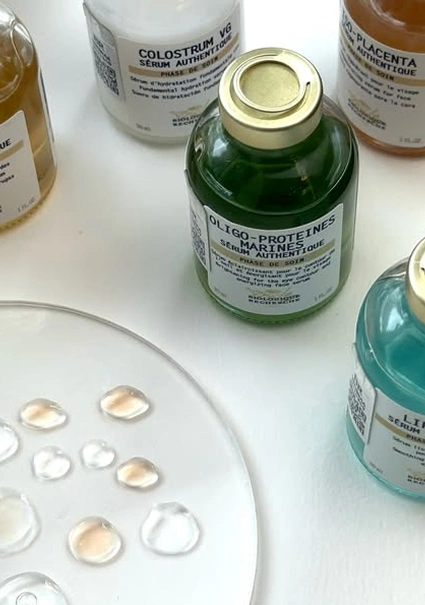
Reforme Lab provides Health Canada–approved, medical-grade cosmetic treatments in Toronto and Mississauga. Our team follows the highest clinical standards and adheres strictly to regulatory guidelines set by the College of Nurses and Medical Boards. We specialize in trusted injectables - including Botox®, hyaluronic acid dermal fillers, and advanced non-surgical solutions - using only the highest quality, evidence-based products to ensure safe, clinically proven outcomes.
Clean and Comfortable Facility
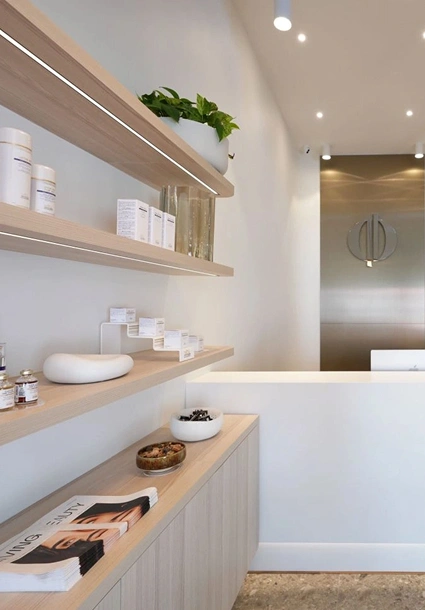
Medical-grade cleanliness is our baseline. Every space is sanitized, organized, and held to strict clinical standards. But we’ve also designed our clinics to feel calm and inviting, not sterile. Treatment rooms are private, quiet, and thoughtfully styled. It’s a space where you can fully relax, without ever questioning the quality of care. Clean where it matters, and cozy where it counts.
Our Locations
Toronto Location
164 Davenport Road,
Toronto, ON, M5R 1J2
Mississauga Location
1 Main Street, Mississauga
Ontario, L5M 1X4