
let’s talk
Acne Scars
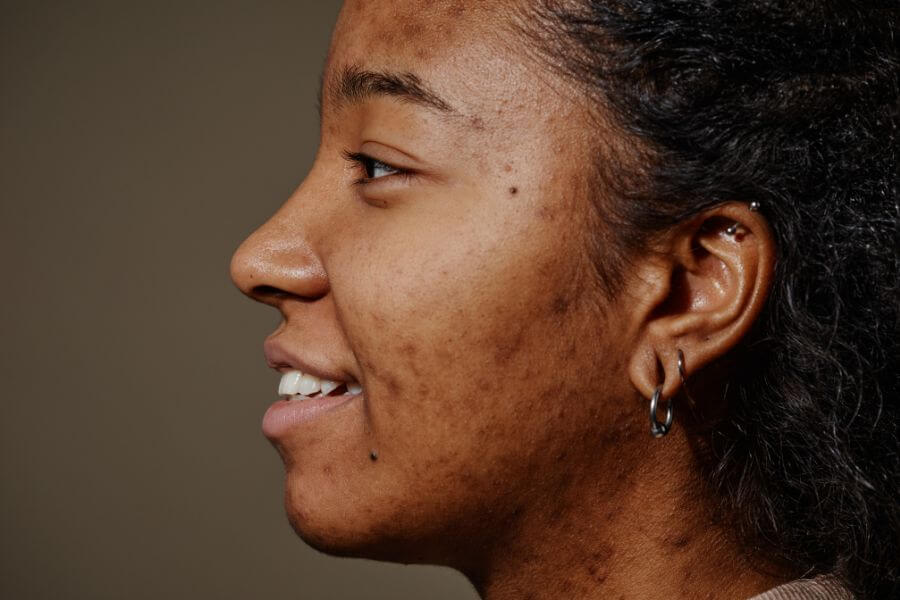
Pitted texture, dark spots after breakouts, raised bumps, uneven skin, shadowed pores, and rough patches.
Learn Why Acne Scars Happen and Remove Them Safely
Learn Why Acne Scars Happen and Remove Them Safely
Learn Why Acne Scars Happen and Remove Them Safely
Learn Why Acne Scars Happen and Remove Them Safely
Learn Why Acne Scars Happen and Remove Them Safely

What Are Acne Scars?
Not all acne scars are the same. Some are indented, like small dents in the skin. Others show up as dark marks after a pimple has healed. A few are raised and firm. All of them are signs that inflammation from a past breakout caused long-lasting changes beneath the surface of the skin.
Acne scars form when deep or severe acne damages the skin’s structure. As your body tries to heal, it either doesn’t produce enough collagen (which is why you get dents) or makes too much (causing raised tissue). The result is your skin having different textures and tones that don’t fade on their own.
Acne Scars
Common Signs & Symptoms
Dents or pits in the skin
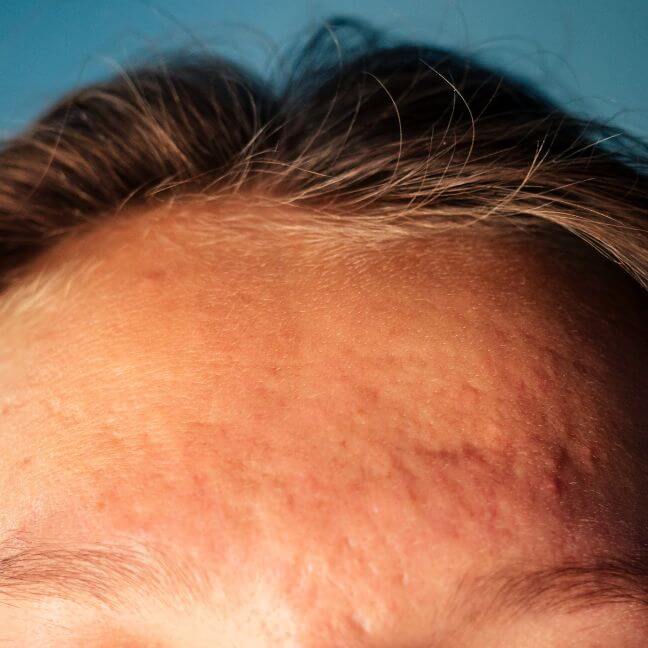
Often called “icepick” or “boxcar” scars, these are indentations where collagen was lost during healing. Most common on cheeks and temples.
Dark spots that linger
Also known as post-inflammatory hyperpigmentation (PIH). These flat, brown, or red marks stay long after the pimple is gone, especially in deeper skin tones.
Skin that feels rough or bumpy
Not just visible, you can feel it. This comes from clustered scars or shallow rolling texture across the surface.
Uneven skin tone and texture
A mix of shadows, discolouration, and subtle dips that make lighting look harsh and makeup sit unevenly.
Raised, firm scars
Called keloid or hypertrophic scars, these are more common on the jawline, neck, or chest. Result from overactive healing.
Shadowing around pores
Old scars create micro-depressions that catch light differently, making pores appear larger than they are.
What Causes Acne Scars?
Picking or popping pimples can definitely make acne scars worse, and we always recommend avoiding that. Bu,t true acne scarring happens when inflammation goes deep into the dermis, damaging tissue. These are the key causes we see:
- Severe or cystic acne: The deeper the inflammation, the higher the risk of permanent damage.
- Delayed treatment: The longer active acne lasts, the more chance it has to scar.
- Picking or squeezing: Introduces bacteria, spreads infection, and increases trauma to healing tissue.
- Genetics: Some skin types heal cleanly. Others are prone to PIH or keloid formation, especially Fitzpatrick types IV–VI.
- Inflammation intensity: Even mild breakouts can scar if the immune response is overly aggressive.
How to Treat Acne Scars
Topical creams won’t fix textural damage from acne scarring. Surface-level brighteners may help with dark spots, but they can’t rebuild lost collagen or smooth indentations. If you want to treat your acne scars properly, you need treatments that stimulate skin remodeling. Several medical-grade options work by triggering controlled injury, prompting your skin to regenerate healthier tissue.
Microneedling
Creates tiny channels in the skin, activating collagen and elastin production. It’s effective for rolling and boxcar scars, especially when combined with topical growth factors.
Morpheus8
Combines microneedling with radiofrequency energy, delivering heat below the surface to tighten and lift scarred areas. This anti-aging treatment is ideal for deeper tissue remodeling and skin quality improvement.
Vampire Facial
This method, also known as PRP microneedling, uses your own growth factors (from PRP) applied during microneedling to accelerate healing and boost regeneration, particularly useful for sensitive or slower-healing skin.
Acne Scars Prevention Tips
- Treat acne early, don’t wait until it’s severe
- Avoid picking, popping, or scrubbing active lesions
- Use non-comedogenic products to prevent clogged pores
- Wear SPF 30+ daily. UV rays darken marks and slow healing
- Start scar care early, even while acne is calming down
- Don’t skip moisturizer – hydrated skin heals better
- Be patient. Marks can take 6-12 months to fade without treatment

Your Questions Answered:
Acne Scars FAQ
Q: Can acne scars go away on their own?
Some shallow marks, like slightly dark spots or minor dents, can fade over time as your skin renews itself, but deeper scars usually don’t disappear without some help. Good skincare, sun protection, and patience can make a big difference, but lasting indentations often need treatments to smooth out.
Q: Can I treat old acne scars, or only new ones?
You can absolutely treat old scars. Fresh marks are usually easier to fade, but even scars that have been around for years can improve with the right approach. Professional treatments like microneedling can help remodel older scar tissue.
Q: Why do acne scars get worse with age?
As we get older, our skin makes less collagen, the protein that keeps it firm and plump. With less support underneath, scars can look more sunken or uneven, even if they haven’t actually changed. Sun damage over the years can also darken leftover marks.
Q: Why does my acne scar so badly?
Scarring depends on a mix of factors: genetics, how deep the acne goes, how much inflammation is in the skin, and whether you pick at breakouts. Some people naturally heal with more pigment or texture changes, even if they treat pimples carefully.
Q: Does my skin type make acne scars worse?
Yes, skin type can play a role. Oily or thicker skin might develop more raised scars, while thinner or fair skin may show indentations more clearly. Darker skin tones are also more prone to dark spots after acne because of higher melanin activity.
Q: Will acne scars come back after treatment?
Once a scar is treated, it doesn’t “come back,” but new breakouts can create new scars if they’re inflamed or picked. Keeping acne under control is key to protecting the results of any scar treatments.
The Reforme Touch

Radiant Body and Skin
All of our treatments are designed with intention: To enhance, not overpower. Whether it's your skin, facial structure, or body, we focus on creating balance and restoring what’s been lost over time. Results are soft, subtle, and completely tailored to you. You’ll leave feeling lighter, fresher, and more like yourself, not someone else.

Licensed Professionals
Medically trained team led by Clinical Educators, Registered Nurse Injectors and Skin Specialists. With a deep foundation in anatomy, safety, and precision, we specialize in advanced cosmetic injectables and non-surgical facial rejuvenation. Offering the most innovative techniques and evidence-based treatments the industry has to offer.
Safe and Tested
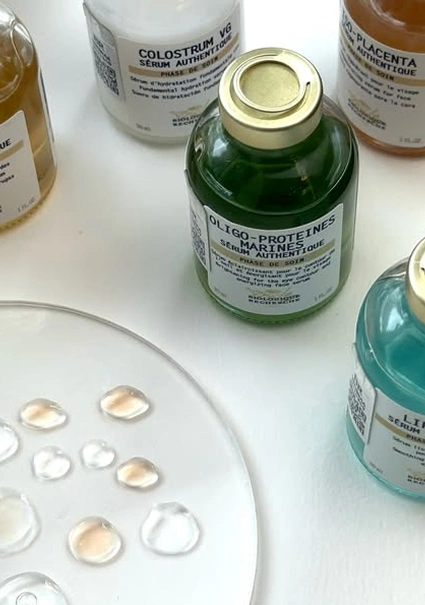
Reforme Lab provides Health Canada–approved, medical-grade cosmetic treatments in Toronto and Mississauga. Our team follows the highest clinical standards and adheres strictly to regulatory guidelines set by the College of Nurses and Medical Boards. We specialize in trusted injectables - including Botox®, hyaluronic acid dermal fillers, and advanced non-surgical solutions - using only the highest quality, evidence-based products to ensure safe, clinically proven outcomes.
Clean and Comfortable Facility
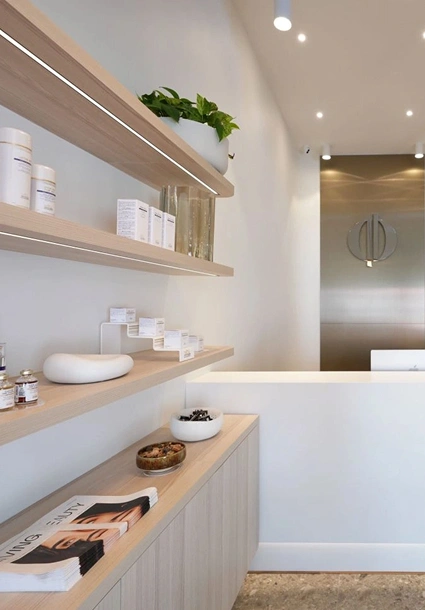
Medical-grade cleanliness is our baseline. Every space is sanitized, organized, and held to strict clinical standards. But we’ve also designed our clinics to feel calm and inviting, not sterile. Treatment rooms are private, quiet, and thoughtfully styled. It’s a space where you can fully relax, without ever questioning the quality of care. Clean where it matters, and cozy where it counts.
Our Locations
Toronto Location
164 Davenport Road,
Toronto, ON, M5R 1J2
Mississauga Location
1 Main Street, Mississauga
Ontario, L5M 1X4