
let’s talk
hyperhidrosis
Excessive underarm sweating, sweat stains through clothing, constant dampness, discomfort in warm settings, avoiding certain fabrics or colours.

Learn About Skin Volume Loss Causes and Treatments
Learn About Skin Volume Loss Causes and Treatments
Learn About Skin Volume Loss Causes and Treatments
Learn About Skin Volume Loss Causes and Treatments
Learn About Skin Volume Loss Causes and Treatments

What Is Hyperhidrosis?
Hyperhidrosis is a medical condition where your sweat glands are overactive, producing far more moisture than your body needs to cool down. (This doesn’t apply to sweating when you’re hot). It often shows up under the arms, but can also affect hands, feet, and the face.
This is a physiological response that happens regardless of the temperature or activity. You might change clothes multiple times a day, avoid raising your arms, or skip social events because of visible sweat.
How to Treat Excessive Sweating
Topical antiperspirants may help mild cases, but they’re not an excessive sweating treatment. Wiping, changing clothes, or wearing bulky undershirts only manages the symptom, not the cause.
The most effective solution to hyperhidrosis is Botox injections. It blocks the chemical signals that activate sweat glands. This doesn’t stop all sweating (you still need some for temperature regulation), but it dramatically reduces the overproduction aspect. The procedure is quick, with a series of small injections to the affected area.
What Causes Hyperhidrosis?
Primary Hyperhidrosis
This is the most common form, which means excessive sweating with no medical cause. It’s believed to come from overactivity in the sympathetic nervous system, which controls automatic functions like temperature regulation.
- Often runs in families (genetics plays a clear role)
- Typically starts in adolescence or early adulthood
- Affects specific areas: underarms, hands, feet, or face
- Happens during rest, in cool environments, without physical activity
- Episodes occur at least once a week and interfere with daily life
Secondary Hyperhidrosis
This type is caused by an underlying health condition or medication. Unlike primary, it usually involves sweating across large areas of the body or while sleeping.
- Triggered by hormonal changes (like menopause or thyroid issues)
- Linked to certain medications, including antidepressants
- Can result from infections, neurological conditions, or metabolic disorders
- Often begins suddenly in adulthood
- May include night sweats or whole-body dampness

hyperhidrosis
Common Signs & Symptoms
Sweat soaks through clothing
Even in cool environments or during low activity, you notice dark patches forming under your arms, sometimes spreading beyond the clothes lining.
Constant dampness, even after deodorant
You apply deodorant, wipe off sweat, and it’s back within minutes. Deodorants and antiperspirants offer little to no relief.
Avoiding certain fabrics or colours
You stick to blacks, greys, or patterns to hide sweat marks and avoid silks, whites, or fitted tops that show sweat marks immediately.
Discomfort in social settings
Raising your arms feels risky, and sitting close to others makes you self-conscious. Your focus is on how you’re appearing rather than what you’re doing.
Skin irritation or chafing under the arms
Persistent moisture breaks down the skin barrier, leading to redness, itching, or raw spots, especially in warmer months.
Changing clothes throughout the day
You carry spare shirts, use towels discreetly, or plan your routine around opportunities to freshen up.
Excessive Sweat Prevention
- Wear breathable, moisture-wicking fabrics like cotton or technical blends
- Avoid tight-fitting shirts that trap heat and increase sweating
- Use clinical-strength antiperspirant at night when sweat glands are less active
- Layer clothing so you can adjust to temperature changes
- Stay hydrated – dehydration stresses the body and can worsen sweating

Your Questions Answered:
Hyperhidrosis FAQs
Q: Is hyperhidrosis just a sign of being hot or nervous?
No. While heat and stress can trigger normal sweating, hyperhidrosis happens regardless of temperature or emotional state. It’s caused by overactive sweat glands that fire too easily and produce far more moisture than your body needs for cooling. Many people experience it in air-conditioned rooms, during quiet moments, or while sitting still. It’s about a miscommunication between your nervous system and sweat glands. This type of sweating is classified as primary focal hyperhidrosis and typically affects specific areas like the underarms, hands, or feet without an underlying cause.
Q: Why do some people sweat excessively only in their underarms?
Because sweat gland activity isn’t evenly distributed across the body. In primary hyperhidrosis, certain clusters of eccrine glands become overactive due to neurological sensitivity. The underarms are a common site because they contain a high concentration of sweat glands and are enclosed by clothing, which traps heat and amplifies the sensation of dampness. Unlike whole-body sweating (which can be linked to hormonal issues or illness), localized underarm sweating often starts in adolescence and persists for years.
Q: Does shaving or waxing underarm hair make sweating worse?
No, removing hair doesn’t increase sweat production. However, dense underarm hair can trap moisture against the skin, making dampness feel more intense and increasing odour buildup. Some people find that shaving improves comfort and allows antiperspirants to absorb better. For those undergoing Botox treatment, we recommend avoiding shaving right before the appointment to prevent micro-irritation, but keeping the area clean and dry. Hair removal methods like waxing or laser don’t affect sweat gland function, so they won’t reduce sweating, but they may improve daily manageability.
Q: Why does my skin sometimes feel sore or irritated from sweating?
Persistent moisture breaks down the skin’s protective barrier, especially in warm, occluded areas like the underarms. When skin stays wet for long periods, it becomes macerated, soft, white, and prone to chafing. This creates tiny cracks where bacteria or fungi can enter, leading to redness, itching, or even infection. Friction from clothing worsens it. Over time, chronic irritation can cause discolouration or thickened skin. Managing the root cause is key to healing. In the meantime, using gentle cleansers, barrier-repair creams, and breathable fabrics can help soothe and protect sensitive skin.
Q: Can lifestyle changes stop hyperhidrosis on their own?
Lifestyle habits like wearing breathable fabrics, staying hydrated, and managing stress can help reduce triggers and improve comfort, but they won’t stop the overproduction of sweat if you have true hyperhidrosis. The condition operates independently of environment or routine. You might drink less caffeine, wear cotton shirts, and avoid spicy foods, and still soak through your clothes. That doesn’t mean healthy choices aren’t valuable; they support overall well-being and minimize secondary flare-ups. But for lasting relief, medical-grade treatments that directly target sweat gland signaling are needed. Think of lifestyle adjustments as supportive measures, not standalone solutions.
Q: What’s the difference between regular sweating and hyperhidrosis?
Normal sweating is your body’s way of cooling down. It increases with heat, exercise, or emotion and decreases when the trigger passes. Hyperhidrosis, on the other hand, produces sweat without a clear reason. It’s often symmetrical (both sides), occurs at least once a week, and interferes with daily life. People describe changing clothes multiple times a day, avoiding social contact, or choosing jobs that let them stay indoors. It’s diagnosed when sweating happens frequently, isn’t tied to activity, and impacts quality of life. If you’re constantly aware of your sweat, it’s likely more than just normal perspiration.
The Reforme Touch
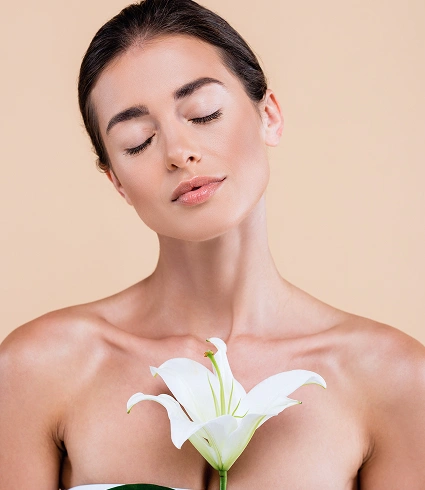
Radiant Body and Skin
All of our treatments are designed with intention: To enhance, not overpower. Whether it's your skin, facial structure, or body, we focus on creating balance and restoring what’s been lost over time. Results are soft, subtle, and completely tailored to you. You’ll leave feeling lighter, fresher, and more like yourself, not someone else.

Licensed Professionals
Medically trained team led by Clinical Educators, Registered Nurse Injectors and Skin Specialists. With a deep foundation in anatomy, safety, and precision, we specialize in advanced cosmetic injectables and non-surgical facial rejuvenation. Offering the most innovative techniques and evidence-based treatments the industry has to offer.
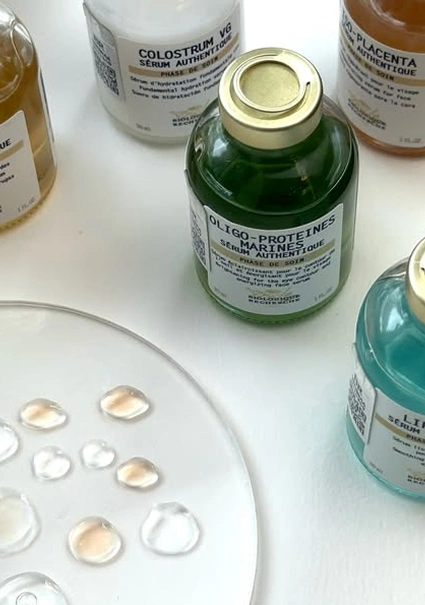
Safe and Tested
Reforme Lab provides Health Canada–approved, medical-grade cosmetic treatments in Toronto and Mississauga. Our team follows the highest clinical standards and adheres strictly to regulatory guidelines set by the College of Nurses and Medical Boards. We specialize in trusted injectables - including Botox®, hyaluronic acid dermal fillers, and advanced non-surgical solutions - using only the highest quality, evidence-based products to ensure safe, clinically proven outcomes.
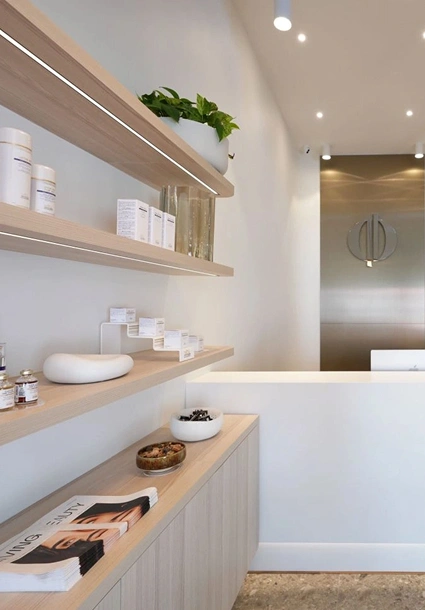
Clean and Comfortable Facility
Medical-grade cleanliness is our baseline. Every space is sanitized, organized, and held to strict clinical standards. But we’ve also designed our clinics to feel calm and inviting, not sterile. Treatment rooms are private, quiet, and thoughtfully styled. It’s a space where you can fully relax, without ever questioning the quality of care. Clean where it matters, and cozy where it counts.
Our Locations
Toronto Location
164 Davenport Road,
Toronto, ON, M5R 1J2
Mississauga Location
1 Main Street, Mississauga
Ontario, L5M 1X4