
let’s talk
facial volume loss
Hollow cheeks, sunken temples, flat midface, deeper nasolabial folds, tired appearance, and jawline softening.

Learn About Skin Volume Loss Causes and Treatments
Learn About Skin Volume Loss Causes and Treatments
Learn About Skin Volume Loss Causes and Treatments
Learn About Skin Volume Loss Causes and Treatments
Learn About Skin Volume Loss Causes and Treatments

What Exactly Is Skin Volume Loss?
Facial volume loss isn’t just aging, it’s a structural change beneath the surface. It starts when the deep fat pads that give your face shape begin to shrink, collagen support weakens, and underlying bone resorbs over time. These three layers, fat, collagen, and bone, work together to create facial fullness. When one declines, the others follow.
This shift doesn’t happen overnight. It usually begins in your 30s. At first, you might notice less light reflection on your cheekbones or shadows under the eyes. As volume fades, skin loses its lift, creating hollows, deeper folds, and a tired look.
How to Treat Facial Volume Loss
Volume loss happens deep in the layers where structure lives. The most effective way to restore lost facial volume is through dermal filler injectables. These are injectable gels based on hyaluronic acid, placed precisely in the areas where support has faded. They fill (hence the name), lift, recontour, and bring back natural facial balance.
What Causes Skin Volume Loss?
It’s not just “getting older.” Yes, time certainly plays a role in loss of skin volume, but so do other factors we see regularly in Toronto and Mississauga.
- Collagen and elastin decline: After 30, you lose about 1% of collagen per year. Less scaffolding = less support.
- Fat pad shrinkage: The natural fat cushions in your face (especially mid-cheek) atrophy over time, causing collapse.
- Bone resorption: Facial bones lose density, reducing the foundation your soft tissue sits on.
- Sun damage: UV radiation breaks down collagen faster, speeding up volume loss, especially in fair-skinned individuals.
- Weight fluctuations: Losing weight quickly can deplete facial fat, sometimes permanently.
- Smoking and poor sleep: Both impair circulation and collagen production, accelerating structural change.

skin volume loss
Common Signs & Symptoms
Cheeks that look hollow or sunken
Not thin, but empty. The fullness under the eyes and along the apples of the cheeks fades, creating a shadowed, tired look.
Temples that appear caved in
A once rounded face now looks concave. This adds to an older or gaunt appearance, even if you’re healthy and well-rested.
Jawline that’s less defined
Used to have a sharp edge? Now your face blends into the neck. Volume loss weakens the lower face structure.
Midface that looks flat
Instead of a smooth curve from temple to cheek, there’s a straight or inward slope, making your eyes look heavier.
Overall tired or sad expression
Even when you feel fine, your face reads as exhausted. Volume loss changes facial proportions, and that affects perception.
Nasolabial folds that deepen
The lines that go from the nose to the mouth get more pronounced because the tissue supporting them has dropped.
Prevention Tips That Help with Lost Facial Volume
- Wear SPF daily: UV rays break down collagen and speed up facial fat loss.
- Stay hydrated: Skin with good hydration holds structure better.
- Don’t smoke: Nicotine restricts blood flow, starving facial tissue of oxygen and nutrients.
- Sleep on your back: Side sleeping creates pressure that may contribute to asymmetry over time.
- Eat enough protein: Collagen is made from amino acids. If your diet lacks protein, your body can’t maintain structure.

Your Questions Answered:
facial volume loss FAQ
Q: Is skin volume loss the same as facial sagging?
No. Sagging is skin and tissue drooping due to weakened support. Volume loss is the disappearance of the cushion underneath. You can have both, but they need different approaches. Fillers restore volume and lasers or threads tighten loose skin.
Q: At what age does facial volume loss start?
Most people begin losing volume in their early 30s, silently. It becomes visible in the 40s and accelerates in the 50s. Some notice it earlier after illness, stress, or rapid weight loss.
Q: Can skincare products restore lost volume?
No. Creams with peptides or retinoids may support collagen production over time, but they can’t replace lost fat or rebuild structure. They can complement fillers, but they don’t replace them.
Q: Why do some people lose facial volume faster than others?
It comes down to a mix of genetics, lifestyle, and sun exposure. Some people naturally have denser fat pads and stronger collagen support, which delays visible volume loss. Others are predisposed to faster breakdown due to thinner skin, hormonal factors, or early sun damage. Smoking, poor sleep, and fast weight changes can also speed up the process, even in younger adults.
Q: Is facial volume loss reversible without treatment?
No. Once fat pads shrink and collagen declines, your body won’t naturally rebuild them. Topical creams may improve surface hydration but can’t restore lost structure. Without intervention, volume loss progresses slowly over time. The earlier you address it, the less correction is needed later.
Q: Does weight gain affect facial volume differently than weight loss?
Yes. Gaining weight can temporarily increase facial fullness, but it’s often uneven. Adding bulk around the jawline rather than restoring cheek volume. Losing weight, especially quickly, can accelerate hollowing because facial fat is metabolically active and one of the first areas depleted. Even after regaining weight, the lost contour doesn’t always return.
Q: Can exercise or facial yoga restore lost facial volume?
No. Facial muscles sit beneath the fat pads, working them doesn’t add fullness or rebuild collagen. In fact, repetitive movement can actually deepen lines over time. While good circulation supports skin health, it won’t reverse structural loss. Only treatments that stimulate deep tissue remodeling or replace volume (like dermal fillers) create measurable change.
The Reforme Touch

Radiant Body and Skin
All of our treatments are designed with intention: To enhance, not overpower. Whether it's your skin, facial structure, or body, we focus on creating balance and restoring what’s been lost over time. Results are soft, subtle, and completely tailored to you. You’ll leave feeling lighter, fresher, and more like yourself, not someone else.

Licensed Professionals
Medically trained team led by Clinical Educators, Registered Nurse Injectors and Skin Specialists. With a deep foundation in anatomy, safety, and precision, we specialize in advanced cosmetic injectables and non-surgical facial rejuvenation. Offering the most innovative techniques and evidence-based treatments the industry has to offer.
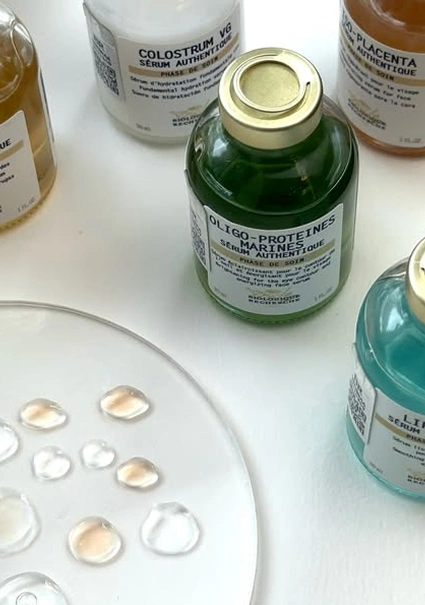
Safe and Tested
Reforme Lab provides Health Canada–approved, medical-grade cosmetic treatments in Toronto and Mississauga. Our team follows the highest clinical standards and adheres strictly to regulatory guidelines set by the College of Nurses and Medical Boards. We specialize in trusted injectables - including Botox®, hyaluronic acid dermal fillers, and advanced non-surgical solutions - using only the highest quality, evidence-based products to ensure safe, clinically proven outcomes.
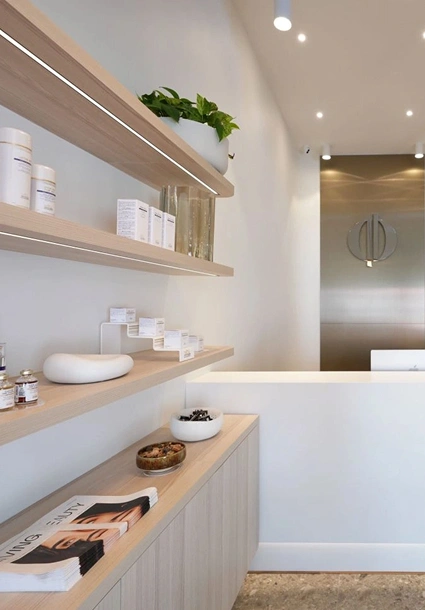
Clean and Comfortable Facility
Medical-grade cleanliness is our baseline. Every space is sanitized, organized, and held to strict clinical standards. But we’ve also designed our clinics to feel calm and inviting, not sterile. Treatment rooms are private, quiet, and thoughtfully styled. It’s a space where you can fully relax, without ever questioning the quality of care. Clean where it matters, and cozy where it counts.
Our Locations
Toronto Location
164 Davenport Road,
Toronto, ON, M5R 1J2
Mississauga Location
1 Main Street, Mississauga
Ontario, L5M 1X4