
let’s talk
Rosacea
Facial redness, persistent flushing, visible veins, burning skin, bumpy texture, and dry or irritated eyes.


What Is Rosacea?
Rosacea is a chronic inflammatory condition that shows up as ongoing redness across the cheeks, nose, chin, or forehead. It often starts with frequent flushing (warmth and pinkness that doesn’t fade) and can progress to visible blood vessels, raised bumps, and even skin thickening if left untreated.
We see it all the time in Toronto and Mississauga. It affects more women than men, especially between 30–50, but it doesn’t discriminate. While there’s no cure, it is controllable. The key is properly treating inflammation in the deeper layers, not just surface redness.
Rosacea
Common Signs & Symptoms
Skin flushes easily
Heat, stress, or a glass of wine, and your face turns red and stays that way longer than it used to. This isn’t so much about sensitivity. It’s a vascular reactivity, a core sign of rosacea.
Persistent facial redness
Not just after a workout or hot shower. If the redness lingers for hours or days, especially across the central face, it’s likely rosacea-related.
Visible capillaries (spider veins)
Tiny red lines appear around the nose and cheeks. These are dilated blood vessels, made more obvious by repeated swelling and thinning skin.
Bumps that look like acne but aren’t
Papules and pustules show up without blackheads. Unlike typical breakouts, they come with heat and tenderness, not oiliness.
Skin feels hot, stinging, or tight
You might describe it as burning or prickling, especially when applying products. This is nerve-level irritation from chronic inflammation.
Dry, irritated eyes
Ocular rosacea causes gritty, tired eyes, redness on the lid, and sometimes swelling. Often overlooked, but common.
What Causes Rosacea?
No single trigger explains every case. It’s a mix of biology and your environment. We see clear patterns in each of our clinics:
- Genetics: Family history plays a role. If a parent had it, you’re more likely to develop it.
- Immune response: An overreaction to microscopic mites (Demodex) or bacteria can spark inflammation.
- Blood vessel dysfunction: Vessels expand too easily and don’t contract back, leading to lasting redness.
- Triggers that set it off: Sun exposure, spicy food, alcohol, temperature swings, and stress don’t cause rosacea, but they fuel flare-ups.
- Skincare overload: Harsh exfoliants, fragrances, and over-cleansing weaken the barrier, making skin more reactive.

Rosacea Treatment
Rosacea is a medical skin condition, and it responds best to targeted sessions of Lumecca IPL treatments, using pulsed light therapy that specifically targets skin discolouration problems.
Rosacea doesn’t respond to over-the-counter creams or basic facials. It needs targeted care that addresses inflammation beneath the surface where Rosacea is rooted. The goal should never be to cover it up. This treatment is meant to reduce flare-ups, calm reactivity, and strengthen your skin barrier.
Rosacea Prevention Tips
You can’t erase rosacea, but you can control how often it flares. We find these steps make a real difference:
- Wear SPF 30+ every day. UV exposure worsens vascular damage, even through windows.
- Swap hot showers for lukewarm water as heat triggers flushing.
- Avoid spicy foods and alcohol if they consistently set off redness.
- Use fragrance-free, non-exfoliating cleansers (no acids, no scrubs).

Your Questions Answered:
Rosacea FAQ
Q: Can rosacea start later in life, even if I never had sensitive skin before?
Yes. Many people develop rosacea in their 30s, 40s, or even 50s, sometimes out of nowhere. It’s not always linked to lifelong sensitivity. Hormonal shifts (like perimenopause), prolonged sun damage, or changes in immune function can trigger it for the first time. If you’re suddenly flushing more, feeling stinging with products, or noticing background redness, it could be new-onset rosacea.
Q: Is rosacea the same as acne?
No. While both can cause bumps and redness, they’re completely different conditions. Acne is caused by clogged pores and oil production. Rosacea causes inflammatory papules and pustules without blackheads, often with heat, flushing, and visible vessels. It also tends to appear centrally (cheeks, nose, chin), not on the jawline or neck like hormonal acne. Treating it like acne with harsh acids or scrubs usually makes it worse.
Q: Why do some people get an enlarged nose with rosacea?
A condition called rhinophyma can develop in long-term, untreated rosacea, which is more common in men. Chronic inflammation causes the oil glands and connective tissue in the nose to thicken, leading to a bumpy, bulbous appearance. It’s not common, but it’s preventable with early, consistent treatment. Once tissue changes occur, they can be hard to reverse without surgery.
Q: Will avoiding triggers make rosacea go away?
Avoiding triggers helps control flare-ups, but it won’t eliminate the underlying condition. Think of it like asthma: staying away from smoke or cold air reduces attacks, but the sensitivity remains. Without treatment, rosacea usually progresses. The best approach is trigger management plus medical intervention to calm the internal inflammation.
Q: Can skincare products cure rosacea?
No product can cure it, but the right ones can help manage it. Look for fragrance-free, non-exfoliating formulas with calming ingredients like centella asiatica, green tea extract, or colloidal oatmeal. Avoid alcohol, menthol, citrus oils, and physical scrubs. Even gentle actives like retinol or vitamin C can worsen it if introduced too soon. Skincare supports treatment – it doesn’t replace it.
Q: Does rosacea affect other parts of the body?
Typically it’s facial but some people report redness or irritation on the chest, neck, or scalp. Ocular rosacea affects the eyes in up to 50% of cases, causing dryness, burning, and swollen lids. If you have those symptoms, mention them to your provider. Left untreated, ocular rosacea can impact vision.
The Reforme Touch
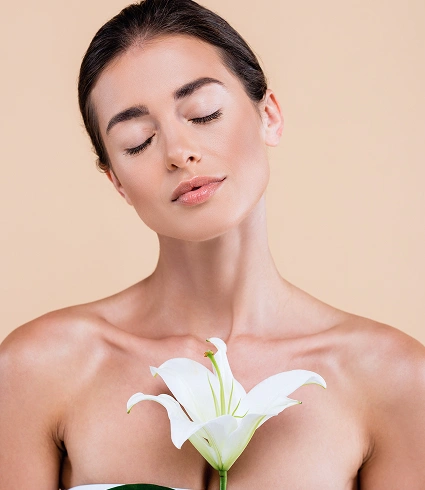
Radiant Body and Skin
All of our treatments are designed with intention: To enhance, not overpower. Whether it's your skin, facial structure, or body, we focus on creating balance and restoring what’s been lost over time. Results are soft, subtle, and completely tailored to you. You’ll leave feeling lighter, fresher, and more like yourself, not someone else.

Licensed Professionals
Medically trained team led by Clinical Educators, Registered Nurse Injectors and Skin Specialists. With a deep foundation in anatomy, safety, and precision, we specialize in advanced cosmetic injectables and non-surgical facial rejuvenation. Offering the most innovative techniques and evidence-based treatments the industry has to offer.
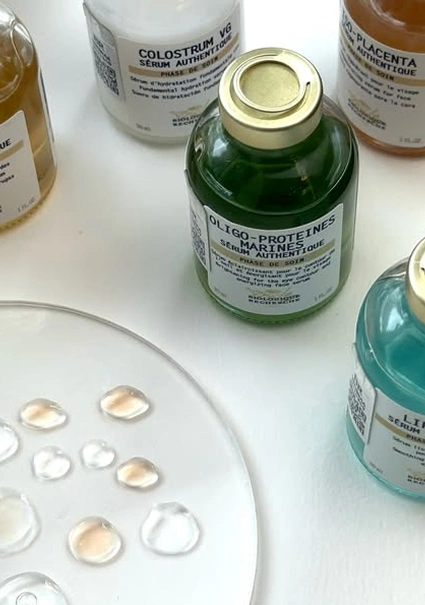
Safe and Tested
Reforme Lab provides Health Canada–approved, medical-grade cosmetic treatments in Toronto and Mississauga. Our team follows the highest clinical standards and adheres strictly to regulatory guidelines set by the College of Nurses and Medical Boards. We specialize in trusted injectables - including Botox®, hyaluronic acid dermal fillers, and advanced non-surgical solutions - using only the highest quality, evidence-based products to ensure safe, clinically proven outcomes.
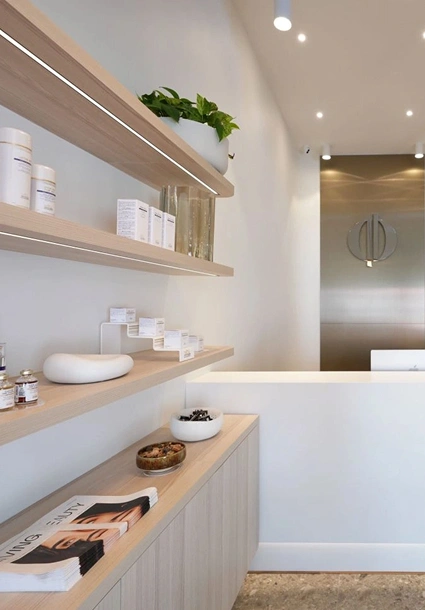
Clean and Comfortable Facility
Medical-grade cleanliness is our baseline. Every space is sanitized, organized, and held to strict clinical standards. But we’ve also designed our clinics to feel calm and inviting, not sterile. Treatment rooms are private, quiet, and thoughtfully styled. It’s a space where you can fully relax, without ever questioning the quality of care. Clean where it matters, and cozy where it counts.
Our Locations
Toronto Location
164 Davenport Road,
Toronto, ON, M5R 1J2
Mississauga Location
1 Main Street, Mississauga
Ontario, L5M 1X4