
When summer temperatures rise, air conditioning becomes a welcome relief. Whether you’re at home, in the office or in your car, air-conditioned environments help keep you comfortable during hot weather. However, while air conditioning can make the summer heat more bearable, it can also have unexpected effects on your skin.
Many people are surprised to learn that prolonged exposure to air-conditioned environments can contribute to dryness, irritation, and other skincare concerns. If you’ve already undergone aesthetic treatments, understanding how air-conditioning affects your skin can help you maintain optimal results and keep your complexion healthy all season long.
How Air Conditioning Impacts Your Skin
Air conditioning works by removing heat and humidity from the air. While this creates a cooler indoor environment, it also reduces moisture levels in the air around you.
As a result, your skin may experience:
• Increased dryness
• Tightness or discomfort
• Flaking or rough texture
• Dull appearance
• Increased sensitivity
• Weakened skin barrier function
For individuals who already have dry or sensitive skin, the effects can be even more noticeable.
Why Your Skin Needs Moisture
Your skin relies on a healthy moisture barrier to protect against environmental stressors, bacteria, and irritants. When the air around you becomes excessively dry, moisture can evaporate from the skin more quickly through a process known as trans epidermal water loss (TEWL).
Over time, this can lead to:
• Dehydrated skin
• Increased redness
• Irritation
• Fine lines appearing more noticeable
• Reduced skin comfort and elasticity
Maintaining hydration is essential, especially during months when air conditioning is used frequently.
Can Air Conditioning Affect Oily or Acne-Prone Skin?
Many people assume air conditioning only impacts dry skin, but oily and acne-prone skin can also be affected.
When skin becomes dehydrated, it may respond by producing more oil to compensate for the lack of moisture. This imbalance can sometimes contribute to:
• Excess shine
• Congested pores
• Increased breakouts
• Uneven skin texture
Using lightweight, non-comedogenic moisturizers can help maintain hydration without clogging pores.
Air Conditioning and Post-Treatment Skin
If you’ve recently received an aesthetic treatment, your skin may be more vulnerable to environmental changes while it heals.
Depending on the treatment, air conditioning may increase feelings of:
• Dryness
• Tightness
• Sensitivity
• Mild irritation
This is especially true following treatments that temporarily disrupt the skin barrier or encourage skin renewal. Treatments that may increase temporary sensitivity include:
• Chemical peels
• Microneedling treatments
• Laser treatments
• Skin resurfacing procedures
• Medical-grade facials
Following your provider’s post-treatment instructions is essential to support proper healing and maximize results.
How to Protect Your Skin in Air-Conditioned Environments
Fortunately, a few simple adjustments can help minimize the effects of dry indoor air.
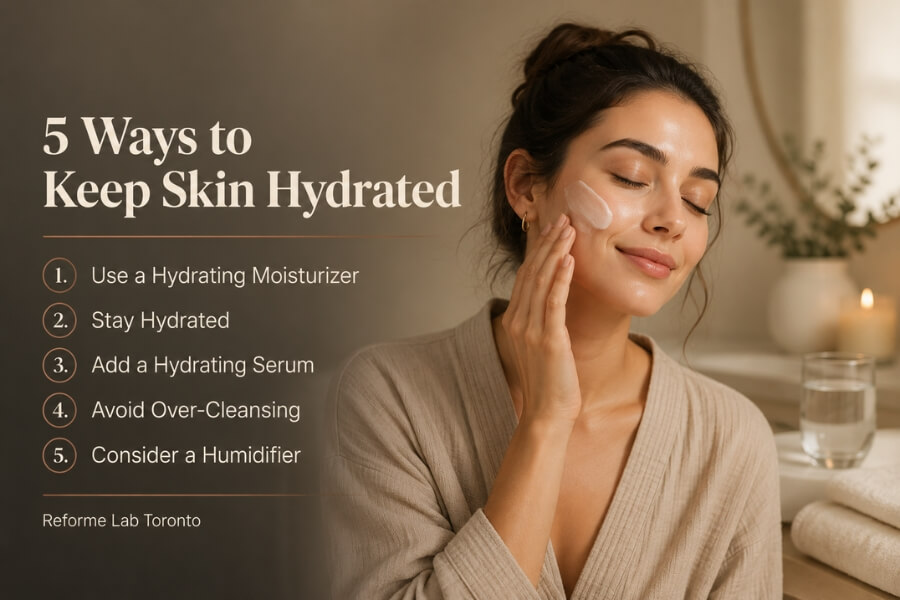
1. Use a Hydrating Moisturizer
Choose a moisturizer that supports the skin barrier and helps lock in hydration. Look for ingredients such as:
• Hyaluronic acid
• Ceramides
• Glycerin
• Squalane
• Peptides
Applying moisturizer consistently can help prevent moisture loss throughout the day.
2. Stay Hydrated
Drinking adequate water supports overall health and helps maintain skin hydration from within. While water alone cannot eliminate dry skin, proper hydration contributes to healthy skin function and appearance.
3. Add a Hydrating Serum
Hydrating serums can provide an extra layer of moisture, particularly for individuals who spend long hours in air-conditioned environments.
Serums containing hyaluronic acid are especially effective at attracting and retaining moisture in the skin.
4. Avoid Over-Cleansing
If your skin feels dry or tight, avoid washing your face excessively. Over-cleansing can strip away natural oils and further compromise the skin barrier. Use a gentle cleanser that removes impurities without causing irritation.
5. Consider a Humidifier
Running a humidifier at home can help restore moisture to indoor air and reduce dryness caused by air conditioning.
This can be particularly beneficial while sleeping, when skin undergoes important repair processes.
Protecting Your Treatment Results
Professional aesthetic treatments often represent an investment in your skin’s health and appearance. Proper aftercare helps ensure you achieve the best possible outcome. After treatment, your provider may recommend:
• Medical-grade moisturizers
• Gentle skincare products
• Reduced use of active ingredients temporarily
• Increased hydration
• Consistent sunscreen use
Following these recommendations can help support healing and maintain your results, even in heavily air-conditioned environments.
When to Seek Professional Advice
If you notice persistent symptoms such as:
• Excessive dryness
• Peeling
• Redness
• Increased sensitivity
• Unexpected breakouts
Your local skincare professional med spa can assess your skin and recommend personalized solutions. Sometimes a simple adjustment to your skincare routine can significantly improve comfort and skin health.
Keep Your Skin Healthy All Summer Long
While air conditioning provides comfort during hot weather, it can also affect your skin’s moisture balance and potentially influence the recovery process following aesthetic treatments. By focusing on hydration, barrier protection, and proper aftercare, you can keep your skin looking healthy, refreshed, and radiant throughout the season.