
The Best Anti-Inflammatory Foods for Acne-Prone Skin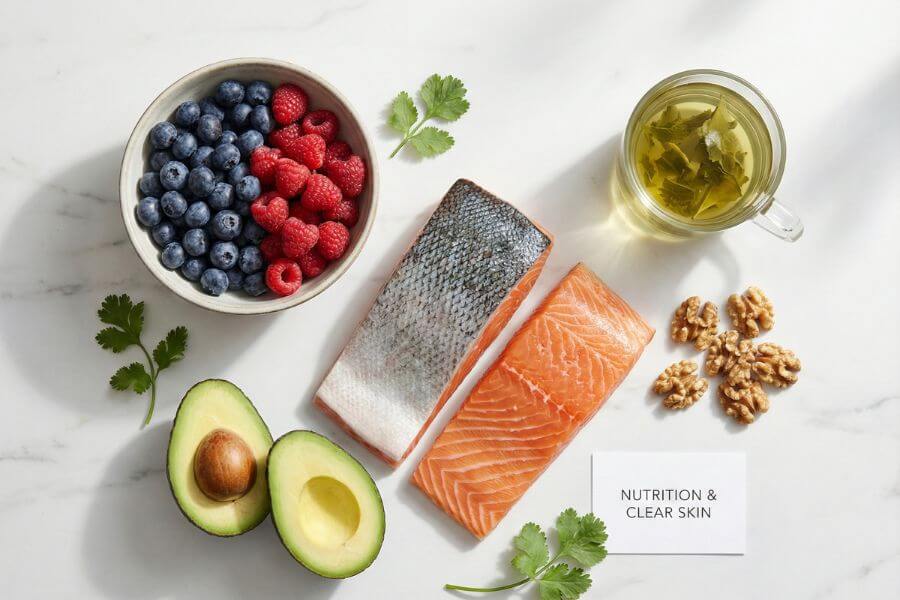
Table of Contents
Introduction
Why Inflammation Matters in Acne
Omega-3 Fatty Acids: foundational Support for Acne-Prone Skin
Leafy Greens and Detoxification Pathways
Antioxidant-Rich Berries and Oxidative Stress
Zinc: A Clinical Essential for Acne Management
Gut Health, Fermented Foods, and Acne
Green Tea and Sebum Regulation
Healthy Fats and The Skin Barrier
Foods That Commonly Trigger Inflammation and Acne
The Takeaway?
Acne-prone skin is rarely just a surface issue. In clinical practice, persistent breakouts are now recognized as a sign of systemic inflammation, often driven by hormonal signalling, blood sugar dysregulation, gut imbalances, and chronic stress.
Topical treatments and in-office procedures are important, but long-term skin clarity usually depends on what’s happening internally. Nutrition, especially an anti-inflammatory diet, is one of the most effective yet underused tools for supporting clear, healthy skin.
By reducing inflammation at the cellular level, the skin becomes calmer, more resilient, and better able to heal.
Why Inflammation Matters in Acne
Inflammation is a central driver of acne development. It increases sebum production, disrupts the skin barrier, slows wound healing, and intensifies redness and swelling. Over time, chronic low-grade inflammation can turn occasional breakouts into persistent or cystic acne.
An anti-inflammatory diet works by modulating these internal triggers, supporting hormonal balance, improving gut health, and reducing oxidative stress that worsens acne lesions.
Omega-3 Fatty Acids: foundational Support for Acne-Prone Skin
Omega-3 fatty acids are among the most clinically supported nutrients for reducing inflammation. They help downregulate inflammatory markers while supporting the integrity of the skin barrier.
Food rich in omega-3s, such as salmon, sardines, flaxseeds, chia seeds, and walnuts, is particularly beneficial for individuals with inflammatory or hormonal acne. Regular intake has been associated with reduced redness, improved skin texture and more balanced oil production.

Leafy Greens and Detoxification Pathways
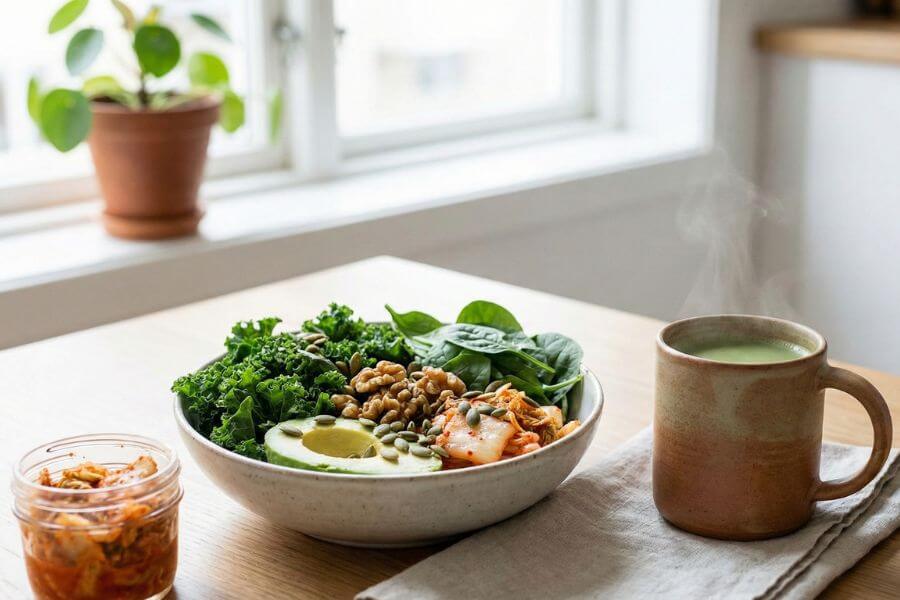
Leafy greens support acne-prone skin in an indirect yet powerful way. Spinach, kale, Swiss chard, and arugula are rich in nutrients that support liver function, which plays a key role in hormone metabolism and toxin clearance.
When detoxification pathways are functioning well, excess hormones and inflammatory by-products are less likely to be excreted through the skin. This helps reduce congestion and prevent inflammatory breakouts from forming in the first place.
Antioxidant-Rich Berries and Oxidative Stress
Oxidative stress prolongs inflammation and slows the healing of acne. Berries— particularly blueberries, raspberries, and blackberries—are rich in antioxidants that help neutralize free radicals while keeping blood sugar levels stable.
For acne-prone skin, this balance is essential. Steady blood sugar supports more balanced insulin and androgen activity, which in turn helps regulate oil production and Inflammation.
Zinc: A Clinical Essential for Acne Management
Zinc plays a key role in immune regulation, wound healing, and sebaceous gland activity. Deficiencies are common in people with inflammatory acne.
Incorporating zinc-rich foods, such as pumpkin seeds, lentils, chickpeas, beef, and oysters, can support faster lesion healing and may help reduce the frequency and severity of breakouts.
Gut Health, Fermented Foods, and Acne
The connection between gut health and acne is well established. When the gut microbiome is imbalanced, systemic inflammation can rise, and hormone metabolism can be impaired, both of which contribute to acne.
Incorporating fermented foods such as sauerkraut, kimchi, kefir, miso, and unsweetened yogurt introduces beneficial bacteria that help restore microbial balance. As gut inflammation decreases, skin often becomes noticeably calmer and clearer.
For clients with persistent, cystic, or treatment-resistant acne, supporting gut health is often a key turning point.
Green Tea and Sebum Regulation
Green tea contains EGCG, a bioactive compound shown to reduce sebum production and inflammatory activity in the skin. Regular consumption supports internal inflammation control while offering antioxidant protection.
Replacing high-caffeine or sugary beverages with green tea is a simple yet clinically meaningful shift for acne-prone individuals.
Healthy Fats and The Skin Barrier
A compromised skin barrier increases inflammation, sensitivity, and acne flares. Healthy fats, such as those found in avocados, olive oil, nuts, seeds, and fatty fish, provide the lipids necessary to maintain barrier integrity.
When the barrier is supported internally, the skin becomes less reactive and more responsive to professional treatments and skincare.
Foods That Commonly Trigger Inflammation and Acne
While no single food affects everyone the same way, diets high in refined sugar, processed carbohydrates, excessive dairy, and industrial seed oils are consistently associated with increased inflammation and acne severity.
The clinical issue is not occasional exposure, but sustained intake that keeps the body in an inflammatory state.
The Takeaway?
Clear skin isn’t achieved through topical treatments alone. It results from an integrated approach where nutrition, gut health, hormonal balance, and inflammation control all work together.
By supporting the body from within, anti-inflammatory foods help create the conditions acne-prone skin needs to heal, respond more effectively to treatment, and maintain long-term clarity. When inflammation is addressed at its source, breakouts become less frequent and less severe, healing speeds up, and overall skin quality improves.